
2 min read
How to make Turkish coffee: 6 steps to a foamy cup
The right ratio, cold water, low heat and a little patience. How to make café-quality Turkish coffee at home.
Read →← All articles · 3 min read
A journey that begins with a goat herder's legend and travels from Yemeni lodges to the coffeehouses of Istanbul.
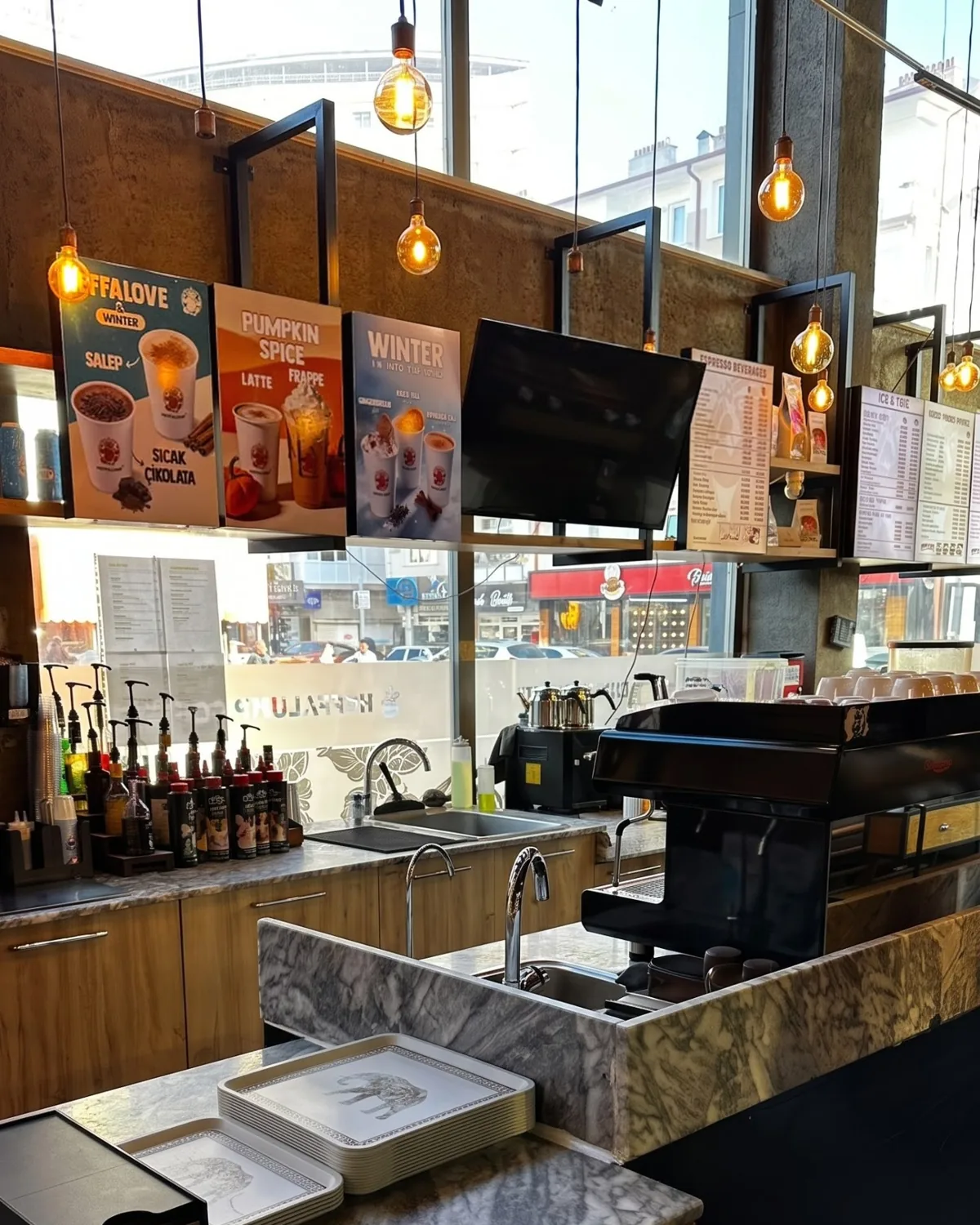
Behind the cup in your hand is a journey of roughly six hundred years. As coffee turned from a mountain shrub into one of the world's most popular drinks, Istanbul stood right in the middle of the story.
According to the best-known tale, a goat herder named Kaldi in the Ethiopian highlands noticed that his goats stayed awake all night after eating the leaves and berries of a red-fruited shrub. It is a legend, first written down centuries later. Still, there is broad agreement today that the coffee plant (Coffea arabica) originates in Ethiopia.
Reliable records of coffee being brewed as a drink go back to 15th-century Yemen. Sufi dervishes drank it to stay awake during night-long prayers. The Red Sea port of Mocha became coffee's gateway to the world, and the word "mocha" still lives on in today's menus.
Coffee reached the Ottoman lands in the first half of the 16th century. According to the sources, in the 1550s two men from Damascus and Aleppo opened the first coffeehouse in Istanbul's Tahtakale district. The coffeehouse quickly became a meeting place: for conversation, backgammon, poetry and the news of the day.
Coffee was then prepared the way we now call Turkish coffee: finely ground coffee, water and sugar to taste, brewed slowly in a cezve. Turkish coffee culture and tradition were added to UNESCO's list of the Intangible Cultural Heritage of Humanity in 2013.
In the 17th century coffee reached Europe through the port of Venice. Coffeehouses opened in Venice, then in Oxford and London. London's coffeehouses hosted such lively debate that they were nicknamed "penny universities": hours of conversation for the price of a coffee.
In the early 20th century the first steam-pressure espresso machines were developed in Italy. The latte, cappuccino and flat white we drink today are all built on that small, intense cup.
Coffee left the Ethiopian highlands, was brewed in Yemen, became a coffeehouse in Istanbul and spread across the world. When you order a Turkish coffee or a latte at Heffalump, you are at the latest stop of that long journey.

2 min read
The right ratio, cold water, low heat and a little patience. How to make café-quality Turkish coffee at home.
Read →
2 min read
They all contain espresso and milk. The difference is in the ratios and the texture of the foam. A short guide so you never get lost in a menu.
Read →